
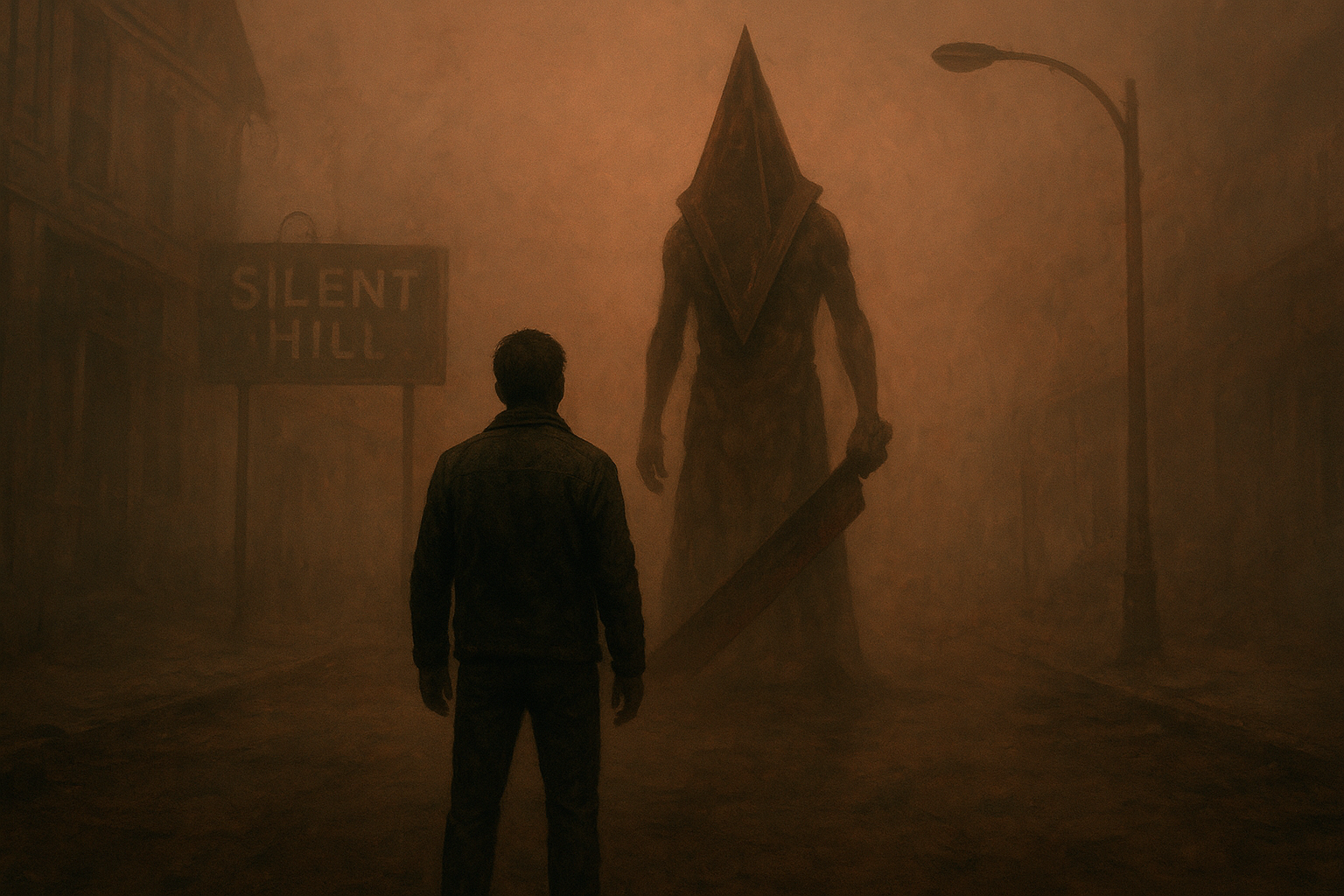
The Silent Hill franchise stands as one of the most psychologically complex and atmospherically haunting video game series ever created. For fans seeking to delve deeper into this nightmarish universe, the Guia Silent Hill Geekzilla serves as an indispensable companion—a comprehensive resource that goes far beyond simple walkthroughs to explore the intricate layers of symbolism, psychological horror, and gameplay mastery that define this iconic series.
Whether you’re a first-time visitor navigating the fog-drenched streets or a veteran explorer returning to uncover hidden secrets, this ultimate guide will illuminate every dark corner of the Silent Hill experience.
From understanding the profound symbolism behind each monster to mastering survival strategies, we’re about to embark on a journey that will transform how you perceive this legendary survival horror series.
What is Guia Silent Hill Geekzilla? Understanding the Ultimate Gaming Companion
The Origin and Purpose of This Comprehensive Guide
Guia Silent Hill Geekzilla emerged from the passionate mind of dedicated Silent Hill enthusiasts who recognized that this franchise deserves more than surface-level analysis.
Unlike traditional game guides that merely provide puzzle solutions and item locations, this comprehensive resource represents a fusion of geek culture and meticulous exploration—hence the “Geekzilla” moniker, which signifies both dedication and the monstrous depth of Silent Hill’s universe.
This guide serves multiple purposes for the Silent Hill community:
- Deep Lore Exploration: Unraveling the complex mythology that connects different installments
- Psychological Analysis: Examining the fears, traumas, and symbolism that make Silent Hill a masterpiece
- Practical Gameplay Support: Providing strategies, tips, and walkthroughs for navigating challenges
- Community Hub: Creating a space where fans can discuss theories and interpretations
- Character Studies: Dissecting protagonists like James Sunderland, Harry Mason, and Heather Mason
Why Silent Hill Requires a Specialized Guide
The Silent Hill series isn’t your typical survival horror experience. Each game weaves intricate narratives where the town itself acts as a mirror, reflecting the inner struggles and psychological demons of its characters.
The monsters aren’t random—they’re manifestations of guilt, fear, repression, and trauma. Understanding these layers transforms Silent Hill from a scary game into a profound exploration of human psychology.
The Silent Hill Universe: Core Concepts Every Fan Should Know
The Town of Silent Hill: A Character in Its Own Right
Located in Maine, the fictional resort town of Silent Hill possesses supernatural properties that make it unlike any other horror setting. The town doesn’t simply contain horror—it creates personalized nightmares tailored to each visitor’s psychological state.
Key Features of Silent Hill:
- Dense Fog: The iconic fog isn’t just atmospheric—it represents uncertainty, confusion, and the obscuring of truth
- The Otherworld: A nightmarish alternate dimension of rust, blood, and twisted reality that reflects inner torment
- Toluca Lake: The body of water that provides both isolation and symbolic depth
- Abandoned Locations: From Brookhaven Hospital to Midwich Elementary School to Lakeside Amusement Park, each location carries psychological weight
Understanding the Different Worlds
The Guia Silent Hill Geekzilla emphasizes the importance of recognizing Silent Hill’s layered realities:
- Fog World: Cold, quiet, and isolating—representing confusion and emotional numbness
- Otherworld: Rust, blood, and industrial nightmare—manifesting guilt and punishment
- Nightmare World: Complete psychological chaos where reality breaks down entirely
These transitions aren’t random. They reflect the protagonist’s mental state and the intensity of their psychological journey.
The Psychology of Silent Hill: Why This Horror Stays With You
Psychological Horror vs. Jump Scares
What sets Silent Hill apart from other horror games is its commitment to psychological horror over cheap scares. According to analysis from horror gaming experts, Silent Hill taps into primal fears by exploring:
- Guilt and Punishment: Most prominently shown through characters like James Sunderland
- Repressed Memories: Traumatic experiences that characters have buried
- Existential Dread: Questions about identity, purpose, and the nature of reality
- Religious Fanaticism: The Order’s cult and their twisted beliefs
- Parent-Child Trauma: Explored through characters like Heather and Harry, Alessa and Dahlia
The Symbolism That Defines the Franchise
Symbolism serves as the backbone of Silent Hill’s narrative structure. The Guia Silent Hill Geekzilla dedicates extensive analysis to decoding these layers:
Iconic Monster Symbolism:
- Pyramid Head: Represents judgment, punishment, and wrath—specifically James’s need for self-punishment
- Bubble Head Nurses: Manifest James’s repressed sexuality and guilt associated with his wife’s illness
- Lying Figures: Symbolize internal suffering and the inability to act due to restraint
- Mannequins: Represent sexual urges and objectification
- Abstract Daddy: Perhaps the most disturbing—represents sexual abuse and trauma
Environmental Symbolism:
- Holes: Recurring theme representing descent into the inner mind and hidden secrets
- Rust and Decay: Physical manifestation of psychological deterioration
- Water: Often represents the unconscious mind and repressed memories
- Fire: Purification and destruction simultaneously
Essential Characters: The Tormented Souls of Silent Hill
James Sunderland (Silent Hill 2): The Guilt-Ridden Protagonist
James Sunderland remains the most analyzed character in the entire franchise. His journey to Silent Hill after receiving a letter from his deceased wife Mary becomes a descent into psychological reckoning.
Character Analysis:
- Initially detached from reality, driven by instinctive purpose
- Gradually confronts the truth about Mary’s death
- Every monster and encounter reflects his psychological state
- His ending depends on player choices reflecting redemption or continued guilt
Harry Mason (Silent Hill 1): Unconditional Fatherly Love
Harry’s search for his adopted daughter Cheryl/Alessa showcases the power of unconditional parental love against cosmic horror. Unlike many protagonists, Harry approaches Silent Hill not from guilt but from pure protective instinct.
Heather Mason (Silent Hill 3): Identity and Destiny
As Cheryl grown up with suppressed memories, Heather Mason grapples with her role in the Order’s plans and her connection to Alessa. Her journey explores themes of:
- Forced roles and bodily autonomy
- Religious exploitation
- Identity formation
- Breaking cycles of abuse
Angela Orosco: Trauma and Worthlessness
Perhaps the most tragic character in Silent Hill 2, Angela suffered sexual abuse from her father and brother. Her encounters with James reveal someone unable to forgive herself despite being a victim. The monster she faces—the Abstract Daddy—remains one of the franchise’s most disturbing symbolic creations.
Gameplay Mastery: Survival Strategies from Guia Silent Hill Geekzilla
Combat Philosophy: When to Fight, When to Flee
The Guia Silent Hill Geekzilla emphasizes a critical survival principle: not every encounter requires combat. Unlike action games, Silent Hill rewards strategic avoidance.
Key Combat Strategies:
- Ammunition Conservation: Bullets are precious—reserve them for unavoidable encounters and boss fights
- Melee Tactics: Learn weapon durability and replacement patterns
- Enemy Pattern Recognition: Study attack telegraphs and movement patterns
- Strategic Retreating: Running away isn’t cowardice—it’s survival
- Radio Awareness: Use static warnings to avoid surprise encounters
Resource Management: The Art of Survival
Effective Resource Management:
- Healing Items: Don’t hoard—use health restoration when needed but don’t waste on minor damage
- Weapon Durability: In newer entries like Silent Hill f, weapons degrade—carry backups
- Inventory Space: Prioritize essential items over collectibles during dangerous sections
- Save Points: Utilize Hokora shrines (in Silent Hill f) or save points strategically
- Exploration Rewards: Thorough investigation yields better supplies
Puzzle-Solving Approaches
Silent Hill puzzles range from straightforward to maddeningly cryptic. The Guia Silent Hill Geekzilla provides frameworks for approaching them:
Famous Puzzles:
- Shakespeare Puzzle(Silent Hill 3): Requires understanding of Shakespearean themes
- Rotating Cube Puzzle: Tests spatial reasoning
- Hospital Hand Puzzle: Involves collecting clues across entire hospital
- Director’s Office Books: Connects seemingly unrelated notes
Puzzle-Solving Tips:
- Read every document thoroughly—they contain clues
- Check your journal for automatic puzzle tracking (in newer games)
- Pay attention to environmental storytelling
- Don’t force solutions—Silent Hill rewards patience
- Different difficulty levels change puzzle complexity
Game-by-Game Breakdown: Navigating the Silent Hill Franchise
Silent Hill 1 (1999): The Foundation
Overview: Harry Mason searches for his daughter in the fog-shrouded town while uncovering a dark cult conspiracy.
Why Play It:
- Establishes the franchise’s core mythology
- Introduces the Otherworld concept
- Features the iconic pyramid head design origins
- Multiple endings based on player performance
Silent Hill 2 (2001): The Masterpiece
Overview: James Sunderland’s letter from his deceased wife leads him to confront his deepest guilt and darkest secret.
Why It’s Special:
- Widely considered the series’ pinnacle
- Most sophisticated psychological narrative
- Standalone story—no cult involvement
- Revolutionary symbolism in monster design
- Multiple endings reflecting James’s psychological state
Guia Silent Hill Geekzilla Recommendation: Start here for the best narrative experience.
Silent Hill 3 (2003): The Direct Sequel
Overview: Direct continuation of Silent Hill 1 following Heather Mason as she confronts her past and the Order.
Themes:
- Womanhood and bodily autonomy
- Religious fanaticism
- Identity and rebirth
- Breaking cycles
Silent Hill 4: The Room (2004): The Experimental Entry
Overview: Henry Townshend finds himself trapped in his apartment while exploring bizarre portals connected to serial killer Walter Sullivan.
Unique Elements:
- First-person apartment segments
- Fixed camera in otherworlds
- Companion mechanic with Eileen
- Most divisive entry but uniquely brilliant
Silent Hill: Origins (2007): The Prequel
Overview: Trucker Travis Grady discovers young Alessa and becomes entangled in the events leading to Silent Hill 1.
Notable Features:
- Weapon durability system
- Mirror world transitions
- Exploration of Alessa’s backstory
Silent Hill: Homecoming (2008): The American Approach
Overview: Soldier Alex Shepherd returns home to find his brother missing and his town twisted by Silent Hill’s influence.
Western Development: Developed by Double Helix Games, features more combat-focused gameplay.
Silent Hill: Shattered Memories (2009): The Reimagining
Overview: Psychological profiling reimagining of the original game that adapts to player choices.
Innovative Features:
- Therapy sessions that influence gameplay
- No combat—pure chase sequences
- Personalized nightmare scenarios
- Multiple dramatically different endings
Silent Hill: Downpour (2012): The Controversial Entry
Overview: Murphy Pendleton, an escaped convict, seeks redemption in Silent Hill while confronting his past crimes.
Mixed Reception: Features interesting ideas but technical issues and divisive monster design.
Silent Hill f and the Franchise’s Future
The Japanese Setting Revolution
Silent Hill f represents a bold new direction for the franchise, set in 1960s Japan in the fictional town of Ebisugaoka. Developed by NeoBards Entertainment, this entry combines:
- Japanese Folklore: Integrating cultural horror elements
- Floral Horror Design: Unique aesthetic direction
- Female Protagonist: Hinako Shimizu brings fresh perspective
- Sanity Mechanics: Mental stability affects gameplay
Gameplay Innovations
New Mechanics in Silent Hill f:
- Focus Attacks: Drain sanity for devastating strikes
- Weapon Degradation: Melee weapons break and require repair
- Annotated Maps: Automatic detailed mapping
- Hokora Shrines: Save points with upgrade systems
- Omamori Charms: Randomized buff system
Advanced Strategies: Becoming a Silent Hill Master
Multiple Ending Requirements
The Guia Silent Hill Geekzilla details how to achieve different endings across games. Most Silent Hill titles feature hidden calculations based on:
- Health Management: How often you heal affects certain endings
- Item Examination: Looking at specific items repeatedly
- NPC Proximity: How close you stay to other characters
- Combat Frequency: Fighting vs. avoiding enemies
- Exploration Thoroughness: Revisiting unnecessary areas
- Specific Actions: Listening to full dialogue, examining photos
Speedrunning and Challenge Runs
For veterans, the Silent Hill series offers rich challenge opportunities:
Popular Challenge Types:
- Melee-Only Runs: No firearms allowed
- No Damage Runs: Perfect play throughout
- UFO Ending Guides: Unlocking joke endings
- New Game Plus Rewards: Unlocking special weapons and costumes
The Cultural Impact: Silent Hill’s Lasting Legacy
Influence on Horror Gaming
According to gaming historians, Silent Hill’s impact extends far beyond its own franchise:
- Inspired games like The Evil Within and Alan Wake
- Pioneered psychological horror over action
- Influenced Resident Evil’s shift toward atmosphere
- Established fog as horror aesthetic
- Normalized multiple endings based on psychological choices
Film Adaptations and Expanded Media
The franchise expanded into:
- Silent Hill (2006 Film): Directed by Christophe Gans, visually faithful
- Silent Hill: Revelation (2012): Adaptation of Silent Hill 3
- Comics and Novels: Expanded universe stories
- Pachinko Machines: Controversial but culturally significant in Japan
The Fan Community
The Guia Silent Hill Geekzilla serves as a hub for one of gaming’s most dedicated fanbases, who engage in:
- Lore analysis and theory crafting
- Symbolism interpretation
- Easter egg hunting
- Cosplay and fan art
- Remake advocacy and preservation efforts
Merchandise and Collectibles Guide
Must-Have Silent Hill Collectibles
For collectors, the Guia Silent Hill Geekzilla recommends:
Figures and Statues:
- Pyramid Head Figma: Highly detailed action figure
- Bubble Head Nurse Statues: Various manufacturers
- Robbie the Rabbit Plushes: Lakeside Amusement Park mascot
Games and Media:
- Original PlayStation versions (increasingly valuable)
- Limited edition artbooks
- Vinyl soundtrack releases (particularly Akira Yamaoka’s work)
- HD Collection (controversial but collectible)
Wearable Items:
- Official Konami merchandise
- Fan-created designs
- Replica items from games
Common Mistakes to Avoid (According to Guia Silent Hill Geekzilla)
Gameplay Errors
- Fighting Every Enemy: Wastes resources unnecessarily
- Ignoring the Radio: Static warnings are crucial
- Rushing Through: Silent Hill rewards patience and exploration
- Neglecting Documents: Critical clues hide in notes
- Poor Inventory Management: Carrying wrong items for situations
Narrative Misunderstandings
- Taking Everything Literally: Silent Hill operates on symbolic logic
- Ignoring Character Analysis: Monsters mean nothing without context
- Skipping Games: While many are standalone, connections enrich understanding
- Dismissing “Bad” Games: Even weaker entries contribute to lore
- Expecting Traditional Horror: Jump scares aren’t the point
The Music of Silent Hill: Akira Yamaoka’s Masterwork
Sound Design as Storytelling
Akira Yamaoka’s compositions for Silent Hill aren’t just background music—they’re integral to the psychological experience. His work combines:
- Industrial Noise: Creating unease and disorientation
- Ambient Soundscapes: Building atmospheric tension
- Melodic Themes: Providing emotional depth
- Trip-Hop Elements: Unique rhythmic foundations
- Silence: Knowing when absence of sound terrifies most
Most Iconic Tracks
Essential Silent Hill Music:
- “Theme of Laura” – Silent Hill 2’s emotional centerpiece
- “Promise (Reprise)” – Haunting and melancholic
- “Room of Angel” – Connects to Silent Hill 4’s themes
- “You’re Not Here” – Silent Hill 3’s vocal track
Technical Tips for Modern Players
Playing Classic Silent Hill Games Today
Guia Silent Hill Geekzilla provides modern accessibility guidance:
Platform Options:
- Original Hardware: Best experience but requires vintage equipment
- PC Ports: Available but require community patches
- HD Collection: Controversial changes to voice acting and fog
- Emulation: Viable option with correct settings
- Backward Compatibility: Some Xbox consoles support select titles
Graphics and Performance Settings
Optimization Recommendations:
- Maintain original aspect ratios when possible
- Avoid over-smoothing textures—grain is intentional
- Preserve fog density—critical to atmosphere
- Use headphones for proper audio experience
- Consider CRT filters for authentic visual feel
Community Resources Beyond Guia Silent Hill Geekzilla
Where to Continue Your Journey
Recommended Resources:
- Silent Hill Wikia: Comprehensive database
- Twin Perfect YouTube Channel: Deep analytical videos
- The Real Silent Hill Experience: Preservation project
- Reddit’s r/silenthill: Active discussion community
- Discord Servers: Real-time fan interaction
Staying Updated on Franchise News
With Silent Hill 2 Remake released and multiple projects in development:
- Follow official Konami announcements
- Monitor Bloober Team (Silent Hill 2 Remake developer)
- Watch for news on Silent Hill f
- Track Silent Hill Townfall development
Conclusion
The Silent Hill franchise represents gaming’s most profound exploration of psychological horror and human suffering. It’s a series that refuses to provide easy answers, instead asking players to confront uncomfortable truths about guilt, trauma, and the darkness within.
Guia Silent Hill Geekzilla exists because this franchise deserves more than casual engagement. It demands analysis, interpretation, and emotional investment.
Whether you’re solving the Shakespeare puzzle, fleeing from Pyramid Head, or simply standing in the fog wondering what’s real, this guide serves as your companion through the nightmare.
The fog-shrouded streets of Silent Hill will always be there, waiting for those brave enough to face their inner demons. With this comprehensive guide as your map, you’re ready to navigate those streets with understanding, appreciation, and—perhaps most importantly—survival skills.
Remember: In Silent Hill, the town shows you what you need to see, not what you want to see. Every monster, every puzzle, every cryptic note serves a purpose in the larger psychological narrative. The Guia Silent Hill Geekzilla helps you recognize these purposes and transform confusion into comprehension.
Welcome to Silent Hill. The nightmare begins with understanding.
Frequently Asked Questions (FAQs)
Q: Which Silent Hill game should I play first?
While Silent Hill 2 is most acclaimed and largely standalone, starting with the original Silent Hill provides the best chronological foundation. However, Silent Hill 2 remains the best entry point for newcomers due to its standalone story and refined mechanics.
Q: Do I need to play Silent Hill games in order?
Not necessarily. Silent Hill 2 and 4 are largely standalone. However, Silent Hill 3 directly continues Silent Hill 1’s story, so playing them in sequence enhances understanding.
Q: What makes Silent Hill different from Resident Evil?
Silent Hill prioritizes psychological horror over survival action. It features deeper symbolism, more complex narratives, and emphasizes atmosphere over combat. Resident Evil traditionally focuses more on action and clear threats.
Q: Is the Silent Hill HD Collection worth buying?
The HD Collection remains controversial due to voice acting changes and visual alterations that affect atmosphere. Original versions are preferred when possible.
Q: How scary is Silent Hill really?
Silent Hill isn’t traditionally “scary” with constant jump scares. Instead, it creates persistent unease and psychological dread that lingers long after playing. It explores deeply unsettling themes that affect players emotionally.
Q: Can I play Silent Hill f without playing previous games?
Yes, Silent Hill f features a new setting and characters, making it accessible to newcomers. However, understanding the series’ themes and mechanics enhances the experience.
Q: What happened to Silent Hills (P.T.)?
Silent Hills, directed by Hideo Kojima with involvement from Guillermo del Toro and Norman Reedus, was canceled in 2015 following Kojima’s departure from Konami. The playable teaser (P.T.) was removed from PlayStation Store but remains legendary.
Q: Are there any good Silent Hill games after Silent Hill 4?
While Team Silent’s original four games are considered the peak, Shattered Memories (2009) receives praise for its innovative psychological profiling system. Other Western-developed entries have mixed reception but offer value to dedicated fans.
Want to know more? Head over to ABC Magazine.
