

So, you’ve probably heard the word acamento thrown around, especially if you’re building a house or fixing up your place. But what does it really mean?
Acamento is basically the finishing touch on any surface – and I’m talking about the FINAL touch. Think of it like icing on a cake. The cake might be good, but that icing makes it look amazing and keeps it fresh longer, right? Same deal here.
The word comes from Portuguese “acabamento,” which just means finishing or completing something. When we talk about acamento in construction or design, we’re looking at things like painting walls, sealing floors, coating metal surfaces, or applying that final protective layer on wood furniture.
Here’s the thing though – surface finishing isn’t just about making things look pretty (though that’s a big part of it!). It’s actually protecting your investment.
A good finishing job can make your walls resist moisture, your floors handle heavy traffic, and your outdoor furniture survive harsh weather for years.
Why Should You Care About Acamento? (Trust Me, You Should)
It’s Not Just About Looks
Look, I get it. When you’re building or renovating, you’re probably thinking about how everything looks. But good acamento work does so much more than that.
Keeps Water Out: Ever seen what happens when water gets into wood or drywall? It’s not pretty. Proper waterproof finishing stops water from sneaking in and causing mold, rot, or those weird stains nobody can explain.
Stops Rust and Corrosion: If you’ve got metal railings, gates, or equipment, you NEED good protective coatings. I’ve seen brand new metal stuff turn rusty in just a couple of years without proper finishing. Good anti-corrosion treatment can add decades to metal surfaces.
Protects from Sun Damage: The sun is brutal, especially on outdoor stuff. UV-resistant finishes keep colors from fading and prevent materials from breaking down. Think about how car paint fades without protection – same concept.
Handles Wear and Tear: High-traffic areas like hallways and commercial spaces need tough wear-resistant finishes. Nobody wants floors that look beaten up after a year.
The Money Side of Things
Here’s something most people don’t realize – finishing work can eat up 20-40% of your construction budget. Yeah, it’s that significant.
But here’s the flip side: good quality finishing actually ADDS value to your property. We’re talking 8-15% increase in property value in competitive markets. Plus, cheap finishes need replacing way more often. I’ve seen people who went cheap have to redo everything in just 3-5 years, while quality work lasts 10-15 years or more.
Think of it this way – spend a bit more now, save a ton later.
Different Types of Acamento: What Are Your Options?
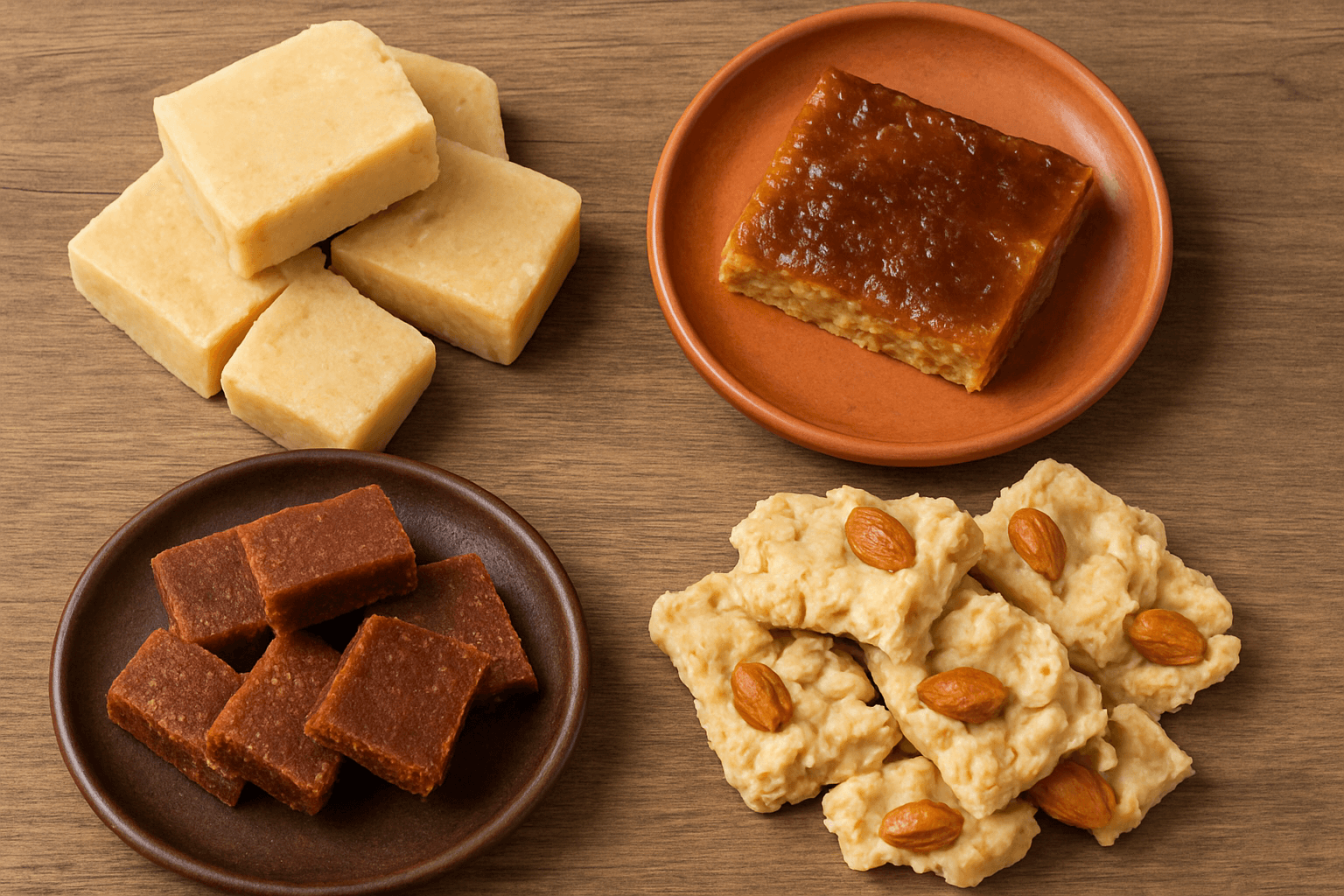
1. Wall Finishing (Making Your Walls Look Amazing)
Interior wall finishing totally changes how a room feels. Here’s what you can do:
Textured Walls: You know those walls with interesting textures? That’s textured finishing. Some popular ones are knockdown (looks like a flattened texture), orange peel (exactly what it sounds like), or decorative plaster that looks super fancy and European.
Smooth Walls: These are the perfectly flat walls you see in modern homes. Getting that glass-smooth finish takes skill – they call it Level 5 finishing. It’s perfect if you want to use glossy paint or wallpaper.
Paint Jobs: The most common wall finishing method. You’ve got options from flat paint (hides imperfections but hard to clean) to high-gloss (super shiny and wipeable). These days, everyone’s going for low-VOC paints because they don’t have those harsh chemical smells.
Special Coatings: For bathrooms, you need waterproof wall coatings. For hospitals or restaurants, there are anti-microbial finishes that stop bacteria. For commercial buildings, fire-resistant treatments are often required by code.
2. Floor Finishing (The Foundation of Every Room)
Your floors take the most beating, so floor finishing needs to be tough.
Hardwood Floors: Ah, beautiful wood floors! The wood floor finishing process involves sanding down the wood super smooth, maybe adding stain for color, then sealing it with polyurethane or oil. You can go for matte (no shine), satin (slight shine), or glossy (major shine).
Concrete Floors: Polished concrete is huge right now – it’s that industrial look everyone loves. Or you can do epoxy floor coatings, which are super tough and great for garages because they resist oil and chemicals.
Tile Floors: Tile finishing isn’t just about slapping down tiles. You need proper underlayment, waterproofing (especially in bathrooms), and the right grout. Natural stone like marble or granite needs special sealers or it’ll stain.
Slip-Resistant Floors: This is super important for commercial spaces or even home bathrooms. Anti-slip finishes add texture so people don’t fall – it’s a safety thing.
3. Wood Finishing (Bringing Out Natural Beauty)
Working with wood? Wood finishing is an art form.
Staining: Wood stains add color while letting you still see the wood grain. You can go darker, richer, or keep it natural-looking. There are oil-based stains (deeper color, longer dry time) and water-based (quicker drying, less smell).
Clear Coatings: These protect without changing the color much. Polyurethane is super popular because it’s tough. Lacquer dries super fast. Oil finishes penetrate into the wood and give it this beautiful, natural look you can actually feel.
Special Effects: Want that farmhouse distressed look? Or that weathered barn wood vibe? Specialty wood finishes can make brand new wood look old, or make cheap wood look expensive.
4. Metal Finishing (Industrial Strength Protection)
Metal needs serious protection, especially if it’s outdoors.
Powder Coating: This is that super tough finish you see on metal railings and outdoor furniture. They basically spray dry powder on metal, then bake it in an oven. The result? A finish that’s incredibly tough and doesn’t chip easily.
Anodizing: This is for aluminum mostly. It creates a protective layer that’s actually part of the metal itself. You see this on MacBooks and high-end door hardware.
Chrome Plating: That shiny chrome finish on car parts and faucets? That’s electroplating – coating metal with another metal for protection and looks.
Brushed or Polished Metal: You can make metal super shiny (mirror polish) or give it that sleek brushed look. Metal finishing affects both appearance and how easy it is to keep clean.
5. Decorative Finishing (Getting Creative)
This is where things get fun – decorative finishing techniques.
Faux Finishes: Making one material look like another. Painting walls to look like marble or wood grain. Way cheaper than the real thing but looks amazing when done right.
Metallic Effects: Metallic paint finishes with actual metal flakes give walls this shimmery, luxurious look. Great for accent walls.
Texture Coatings: Creating 3D effects on walls – not just visual texture but actual texture you can feel. Adds depth and character.
Glazing: Adding transparent or semi-transparent layers over base coats. Creates depth and makes colors look richer.
How Do You Choose the Right Materials? Let Me Help
Think About Your Weather
Where you live matters BIG TIME for finishing materials.
Humid Places: If you live somewhere muggy, you need moisture-resistant finishes. Mildew-resistant paint, waterproof membranes – the works. Otherwise, you’ll be dealing with mold and peeling paint constantly.
Near the Ocean: Salt in the air destroys finishes faster than you’d think. You need marine-grade finishes with extra anti-rust protection.
Hot or Cold Extremes: Surfaces expand and contract with temperature changes. You need flexible finishes that can handle that movement without cracking.
Lots of Sun: South-facing walls and windows get hammered by UV rays. UV-stabilized finishes prevent that fading and chalking you see on old paint.
Match the Material You’re Covering
Different surfaces need different approaches:
Porous Stuff (concrete, brick, wood): Needs primer to seal up all those tiny holes before you paint
Non-Porous (metal, plastic, glass): Needs special primers that help paint stick
Flexible Materials: Need stretchy finishes that move with the material
Chemical Exposure: Like in garages or industrial areas, needs specialized resistant coatings
How to Actually Apply Finishes: The Right Way
Prep Work is EVERYTHING (Seriously)
Here’s what pros know that DIYers often skip – preparation is about 70% of getting good results.
Clean Everything: Get rid of all dirt, grease, oil, old flaky paint – everything. Use the right cleaner for what you’re dealing with. Sometimes you need a pressure washer.
Fix Problems: Fill holes, patch cracks, fix dents. If you paint over problems, they’ll show through. Trust me on this.
Sand It Down: This creates a slightly rough surface so the new finish sticks better. Start with rougher sandpaper (80 grit), then go finer (120, then 220).
Prime It: Primer is not optional! It seals the surface, blocks stains, and helps your finish coat stick and look better. Different surfaces need different primers.
Ways to Put It On
Brush: Best for trim, edges, corners, and detailed work. Use natural bristles for oil-based stuff, synthetic for water-based.
Roller: The go-to for walls and ceilings. Pick the right roller nap (the fuzzy part) – short for smooth walls, longer for textured surfaces.
Spray: Gives the smoothest finish but requires practice and equipment. HVLP sprayers are popular because they waste less paint.
Special Equipment: Airless sprayers for big jobs, special equipment for two-part coatings that mix as they spray.
What’s Trending in Acamento Right Now (2025 Edition)
Eco-Friendly is the New Normal
Everyone’s going green, and finishing products are no exception.
Low-VOC Paint: VOCs are those chemicals that make paint smell and aren’t great for you. Zero-VOC paints have come a long way – they perform just as well now without the nasty fumes.
Natural Materials: Plant-based finishes made from stuff like linseed oil, soy, and natural tree resins. They work great and are way better for the environment.
Recycled Content: Products using recycled glass, reclaimed wood, and repurposed materials.
Water-Based Everything: Water-based paints and finishes have gotten so good they now match oil-based performance without the solvent smell and environmental issues.
Cool New Tech
Self-Cleaning Surfaces: Yeah, this is real! Coatings that actually break down dirt using sunlight. Mostly used on exterior glass right now but getting more common.
Anti-Bacterial Finishes: Especially important after COVID. Antimicrobial coatings with silver or copper kill bacteria on contact. Hospitals and restaurants love these.
Self-Healing Coatings: Sounds like sci-fi, but scratches actually repair themselves through chemical reactions. Still expensive but getting more affordable.
Color-Changing Finishes: Coatings that change color based on temperature. Fun for kids’ rooms or actually useful for showing heat distribution.
Common Mistakes People Make (Learn From Others’ Pain!)

What Goes Wrong and How to Avoid It
Skipping Prep Work
- What happens: Paint peels, looks terrible, doesn’t last
- Fix: Just do the prep. It’s boring but essential.
Using the Wrong Product
- What happens: Finish fails way too soon, doesn’t work as expected
- Fix: Read the labels, ask questions at the store, don’t guess
Bad Application
- What happens: Streaks, runs, uneven color, rough texture
- Fix: Use proper technique, don’t rush, use the right tools
Not Waiting Between Coats
- What happens: Wrinkled finish, poor adhesion, muddy colors
- Fix: Follow the recoat times on the can. Be patient!
Ignoring Weather Conditions
- What happens: Finish doesn’t dry right, looks bad, doesn’t stick
- Fix: Paint when it’s 50-85°F and not too humid. Check the forecast!
What Will This Cost You? Let’s Talk Real Numbers
Typical Price Ranges
Basic Finishing ($15-35 per square meter):
- Regular paint on walls
- Standard tile with normal grout
- Simple concrete sealing
- Basic flooring
Mid-Range ($40-100 per square meter):
- Multiple coats with good prep
- Nicer tiles with fancy patterns
- Stained and sealed concrete
- Decent hardwood with finish
High-End ($125-300+ per square meter):
- Custom decorative techniques
- Natural stone with intricate work
- Polished concrete with designs
- High-quality hardwood with hand-rubbed finish
Luxury Level ($350-1,000+ per square meter):
- Venetian plaster or hand-painted murals
- Exotic imported stone
- Decorative metallic epoxy
- Rare wood species with museum-quality finish
Hidden Costs Nobody Tells You About
- Fixing the surface before you even start (can be 15-30% of total)
- Primer and sealer (people always forget this)
- Masking tape, drop cloths, ventilation
- Good quality brushes and rollers (cheap ones shed bristles!)
- Getting rid of old paint and chemicals properly
- Labor for complex work (skills cost money)
Where Does Acamento Matter Most?
Homes
Home finishing makes the difference between a house and a home. Builders usually offer different levels – standard, upgraded, premium. The difference in finishing alone can change a home’s value by $25,000 to over $100,000.
Commercial Buildings
Offices, stores, restaurants – these places need commercial-grade finishes that can handle tons of foot traffic, cleaning chemicals, and constant use.
Cars and Vehicles
Automotive finishing is incredibly advanced. Modern car paint goes through multiple stages and is designed to last 10+ years in sun, rain, snow, and road salt.
Furniture
The furniture finishing separates cheap furniture from pieces that last generations. Quality finishing is the difference between something from IKEA and something you pass down to your kids.
Industrial Equipment
Factories and warehouses use industrial coatings that need to withstand chemicals, extreme temperatures, and constant abuse.
DIY or Hire a Pro? Here’s My Honest Take
Tips If You’re Doing It Yourself
Buy Good Stuff: Cheap paint needs more coats and doesn’t last. Buy quality – it’s worth it.
Prep Like Crazy: Spend most of your time on prep, not painting. Clean, fix, sand, prime.
Watch the Weather: Don’t paint in extreme heat, cold, or humidity. Check before you start.
Use Real Techniques: Don’t just slap it on. Learn proper brush and roller techniques (YouTube is your friend).
Don’t Rush: Let each coat dry completely. I know you’re excited, but rushing ruins everything.
Test First: Try your color and technique on a hidden spot or sample board first.
Get Decent Tools: You don’t need pro equipment, but don’t use dollar-store brushes either.
When You Really Should Call a Pro
Some jobs just need professionals:
- Fancy decorative work that takes years to master
- Spray painting (the equipment alone costs thousands)
- Structural repairs (not just cosmetic stuff)
- Dealing with lead paint or asbestos (seriously, don’t DIY this)
- Time-sensitive jobs (you need it done NOW)
- Expensive surfaces (mistakes are too costly)
Making Your Finish Last: Maintenance Tips
How to Protect What You Paid For
Clean Regularly: Use the right cleaner for your finish. Harsh chemicals can damage protective coatings.
Fix Problems Fast: See a chip or crack? Fix it now before water gets in and makes it worse.
Touch Up When Needed: Don’t wait until everything looks terrible. Maintenance coats every 3-7 years keep things looking fresh.
Protect from Sun: Curtains, awnings, even strategic plants can reduce UV damage on exterior finishes.
Check Things Annually
Once a year, look for:
- Cracks, peeling, or bubbling
- Caulking that’s dried out or pulling away
- Water damage or weird stains
- High-traffic areas wearing through
- Schedule repairs before things get bad
The Future: What’s Coming in Finishing Tech
Nano-Coatings
Coatings that work at the microscopic level:
- Water-repellent surfaces where water just rolls off
- Anti-graffiti coatings you can wipe clean
- Super scratch-resistant finishes with ceramic particles
- Anti-fog treatments for mirrors and glass
Computer Color Matching
No more guessing paint colors! Computers can now match any color perfectly, making touch-ups way easier.
Even Greener Options
The next generation is even more eco-friendly:
- Coatings that actually absorb CO2 from the air
- Solar-reflective finishes that cut cooling costs by 15-30%
- Bio-based products from agricultural waste
- Recycling systems for leftover paint
Wrapping This Up: What You Need to Remember
Acamento is way more important than most people think. It’s not just making things look nice – it’s protecting your investment, adding value, and ensuring things last.
Whether you’re a pro contractor, a design enthusiast, or just someone fixing up their home, understanding good finishing work helps you make better choices and get better results.
From picking the right finishing products to actually applying them correctly to keeping them maintained – every step matters. And with all the new technology coming out, finishes are getting better, tougher, and more environmentally friendly all the time.
The bottom line? Invest in quality acamento – whether that’s wall painting, floor treatments, protective coatings, or decorative work. Do it right, and it’ll look great and last for years. Cheap out, and you’ll be redoing it way sooner than you want.
Questions People Always Ask Me About Acamento
Q: What’s the real difference between acamento and acabamento?
Honestly? They’re pretty much the same thing. Acabamento is the Portuguese word, acamento is sometimes used in professional settings to emphasize the strategic planning side of finishing work.
Q: How long does finishing work actually take?
Depends! Simple painting might take 2-4 days. Decorative plaster could be 1-2 weeks. Custom wood finishing might be 2-4 weeks. It’s all about letting things dry properly between steps.
Q: Can I just paint over what’s already there?
Sometimes! Depends on what’s there and what condition it’s in. You usually need to clean it really well, rough it up with sandpaper, and use primer. Sometimes you’re better off stripping it all down.
Q: What’s the toughest finish for home use?
For floors, polyurethane is incredibly tough. For cabinets, catalyzed varnish (the professional stuff) is nearly bulletproof. For walls, good acrylic latex paint holds up great.
Q: Are expensive finishing products really worth it?
Yeah, usually. Premium products cover better (fewer coats needed), last 2-3 times longer, and look better. You pay more upfront but save money long-term.
Q: Should I DIY or hire someone?
Simple paint jobs? Go for it! Complex decorative stuff, spray work, or anything you’re not confident about? Hire a pro. Mistakes on expensive finishes cost more than hiring help would have.
Want to know more? Head over to ABC Magazine.
