
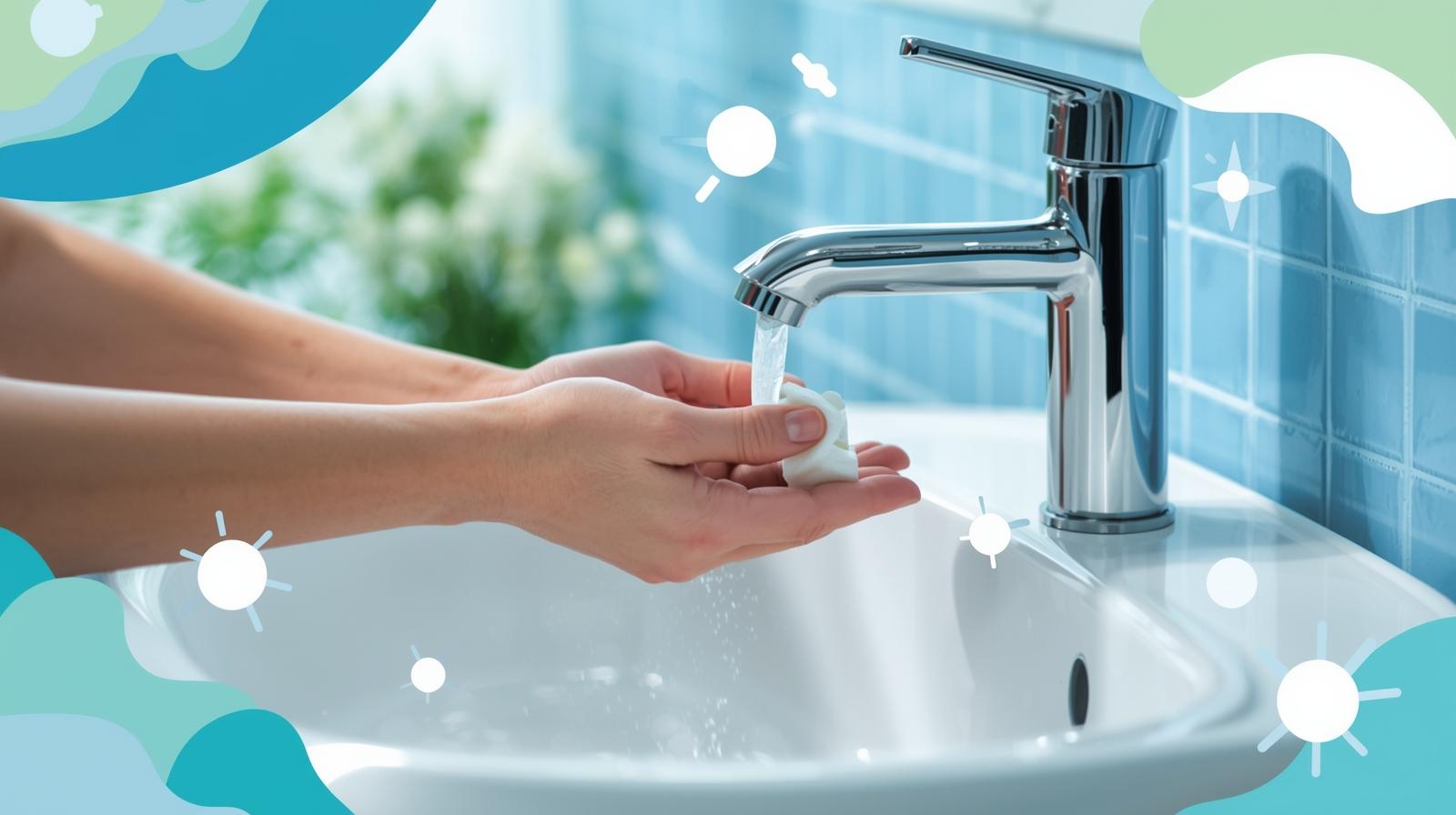
In today’s interconnected world, where global travel, shared workspaces, and bustling public environments are the norm, learning how to skip the germs has become essential for maintaining optimal health. Recent data from the Centers for Disease Control and Prevention (CDC) reveals that over 2.8 million antimicrobial-resistant infections occur annually in the United States alone, underscoring the critical importance of preventive hygiene practices.
Germ prevention isn’t about living in fear or becoming obsessive about cleanliness—it’s about adopting smart, science-backed habits that significantly reduce your risk of illness while allowing you to live life fully. This comprehensive guide will equip you with practical strategies to avoid germs, protect your family, and create healthier environments at home, work, and beyond.
Understanding Germs: Know Your Invisible Enemy
What Are Germs?
Germs are microscopic organisms capable of causing disease and infection. The term encompasses several categories of pathogens:
- Bacteria: Single-celled organisms that can cause conditions ranging from strep throat to urinary tract infections and food poisoning
- Viruses: The smallest infectious agents, responsible for colds, flu, COVID-19, and numerous other illnesses
- Fungi: Organisms that cause infections like athlete’s foot, ringworm, and yeast infections
- Parasites: Complex organisms that can cause intestinal infections and other diseases
How Germs Spread: The Transmission Chain
Understanding germ transmission is crucial to effectively skipping the germs. Pathogens spread through multiple pathways:
- Direct Contact: Touching someone who carries germs or making close contact through kissing, hugging, or handshakes
- Respiratory Droplets: Breathing air after someone coughs or sneezes
- Surface Contamination: Touching contaminated objects (fomites) then touching your face
- Food and Water: Consuming contaminated substances
Research shows that a single gram of human feces—about the weight of a paper clip—contains approximately one trillion germs, highlighting why hand hygiene is so critical.
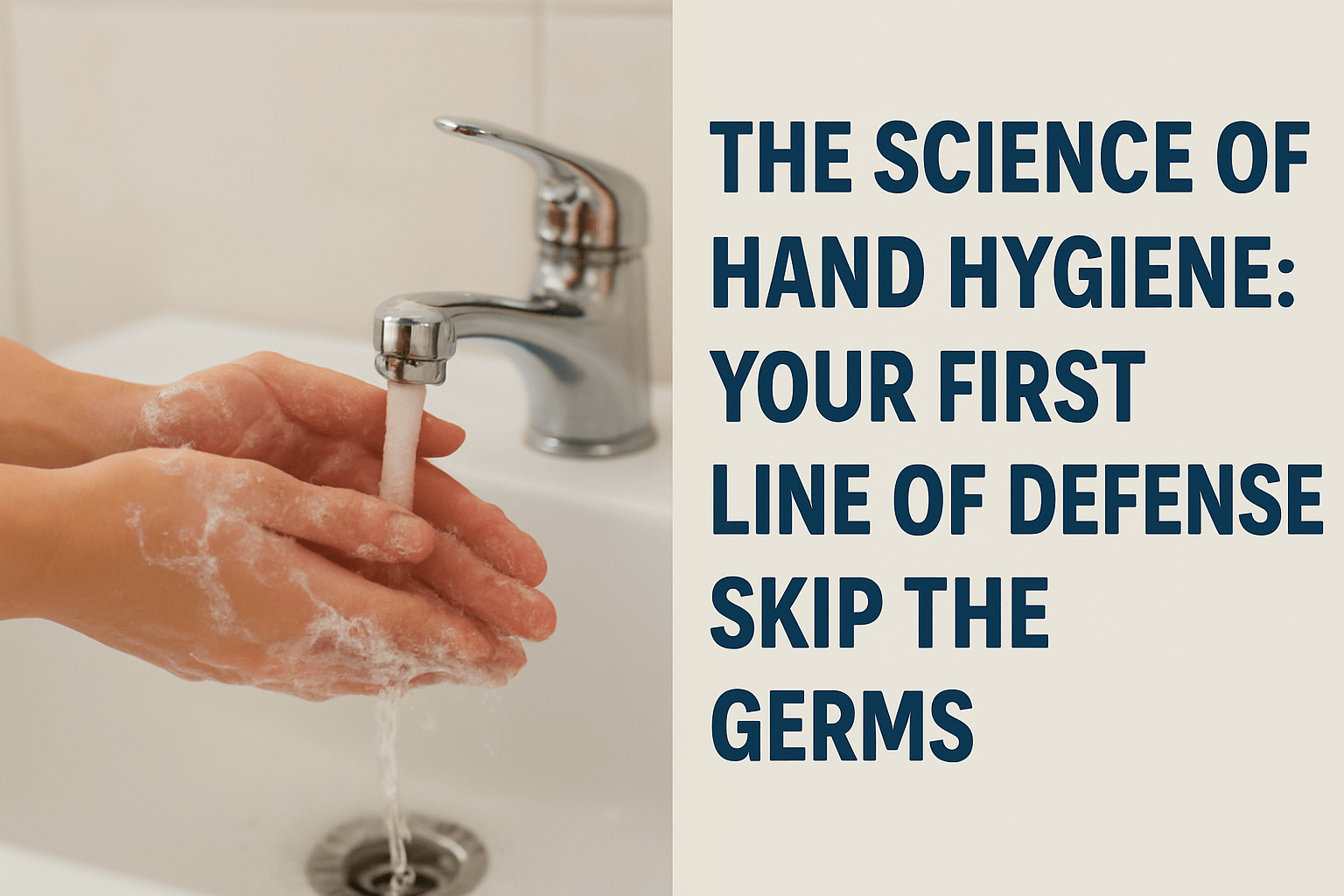
The Science of Hand Hygiene: Your First Line of Defense
The Remarkable Power of Handwashing
Proper handwashing remains the single most effective method to prevent the spread of germs. The evidence is compelling:
- Reduces respiratory infections like colds by 16-21% in the general population
- Decreases diarrheal illness by 23-40% in community settings
- Lowers diarrheal illness in immunocompromised individuals by an impressive 58%
- Cuts school absenteeism due to gastrointestinal illness by 29-57%
- Could protect approximately 1 out of every 3 young children who contract diarrhea
The CDC’s 5-Step Handwashing Method
To effectively skip the germs, follow this scientifically proven technique:
- Wet: Use clean, running water (warm or cold) to wet your hands
- Lather: Apply soap and create friction by rubbing your hands together
- Scrub: Wash all surfaces for at least 20 seconds—about the time to hum “Happy Birthday” twice. Don’t forget:
- Palms and backs of hands
- Between fingers
- Under fingernails
- Wrists
- Rinse: Thoroughly rinse under clean, running water
- Dry: Use a clean towel or air dryer
When to Wash Your Hands
Make handwashing a non-negotiable habit during these critical moments:
- Before, during, and after preparing food
- Before eating
- After using the restroom
- After blowing your nose, coughing, or sneezing
- After touching garbage or cleaning surfaces
- After handling pets or animal waste
- Before and after caring for someone who’s sick
- After touching high-traffic surfaces in public spaces
Hand Sanitizer: A Convenient Alternative
When soap and water aren’t available, alcohol-based hand sanitizers (containing at least 60% alcohol) provide effective germ protection. However, they have limitations:
- Less effective on visibly dirty or greasy hands
- Don’t eliminate all germ types, including norovirus and Clostridioides difficile
- Should never replace proper handwashing when facilities are available
Identifying Germ Hotspots: Where Pathogens Lurk
In Your Home
Your personal sanctuary harbors surprising germ breeding grounds:
Kitchen Nightmares:
- Kitchen sponges: Harbor up to 10 million bacteria per square inch—microwave for 2 minutes daily or replace weekly
- Cutting boards: Separate boards for raw meat and vegetables prevent cross-contamination
- Dish towels: Wash after every 2-3 uses in hot water
Bathroom Hazards:
- Toothbrush holders
- Faucet handles
- Toilet flush handles
- Shower curtains and bathmats
Living Spaces:
- Remote controls: Rarely cleaned but touched constantly
- Light switches: High-touch surfaces often overlooked
- Doorknobs: Prime transfer points for pathogens
In Public Spaces
Germ transmission accelerates in shared environments:
Transportation:
- Airplane tray tables contain 8 times more bacteria than bathroom flush buttons
- Subway poles and bus handrails
- Elevator buttons
- Shopping cart handles (75% test positive for harmful bacteria)
Workplaces:
- Office desks harbor 21,000 germs per square inch—10 times more than kitchen counters
- Computer keyboards and mice
- Coffee makers and shared breakroom appliances
- Shared office equipment like printers and copiers
Fitness Centers:
- Free weights and gym equipment can harbor MRSA and ringworm for days
- Yoga mats and exercise machines
- Locker room floors (breeding ground for athlete’s foot)
Your Personal Items
Smartphones are particularly problematic—studies show they’re 7 times germier than a toilet seat, with 25% carrying fecal matter.
Advanced Strategies to Skip the Germs
Smart Surface Cleaning and Disinfection
Disinfecting high-touch surfaces creates a powerful barrier against pathogen transmission:
Daily Cleaning Targets:
- Doorknobs and light switches
- Countertops and tabletops
- Faucet handles
- Phone screens and cases
- Computer keyboards and mice
Effective Products:
- Use EPA-approved disinfectants like Clorox or Lysol
- For electronics: 70% isopropyl alcohol wipes
- Allow proper contact time (usually 3-5 minutes) for disinfectants to work
Cleaning Technique Matters:
- Clean before you disinfect (remove visible dirt first)
- Follow product instructions for dilution and contact time
- Replace cleaning cloths regularly to avoid spreading germs
Respiratory Etiquette: Stopping Airborne Transmission
Proper cough and sneeze hygiene significantly reduces respiratory infection spread:
- Always cough or sneeze into your elbow, not your hands
- Use tissues and dispose of them immediately
- Wash hands or sanitize after coughing/sneezing
- Wear a mask when sick or in crowded indoor spaces during flu season
- Maintain physical distance when someone is visibly ill
Food Safety: Preventing Foodborne Illness
Kitchen hygiene is essential to skip the germs that cause food poisoning:
- Wash produce under running water (skip rinsing raw meat—it spreads bacteria)
- Use separate cutting boards for raw meat and ready-to-eat foods
- Cook foods to proper internal temperatures
- Refrigerate perishables within 2 hours (1 hour if above 90°F)
- Clean countertops and utensils between food prep steps
Creating Healthy Indoor Environments
Air quality and ventilation play crucial roles in preventing airborne disease transmission:
- Open windows regularly to improve air circulation
- Use HEPA air purifiers in bedrooms and main living areas
- Maintain proper humidity levels (30-50%) to prevent mold and dry airways
- Change HVAC filters regularly
- Consider UV-C air sanitizers for added protection
Lifestyle Factors That Help You Skip the Germs
Boost Your Immune System
While you can’t completely avoid exposure to pathogens, a robust immune system helps you fight germs more effectively:
Nutrition:
- Consume vitamin C-rich foods (citrus fruits, bell peppers, strawberries)
- Include zinc sources (nuts, seeds, legumes, whole grains)
- Eat probiotic foods (yogurt, kefir, sauerkraut) for gut health
- Stay hydrated—6-8 glasses of water daily
Sleep:
- Aim for 7-9 hours of quality sleep nightly
- Maintain consistent sleep schedules
- Create a cool, dark sleeping environment
Exercise:
- Engage in moderate physical activity 150 minutes weekly
- Outdoor exercise provides fresh air and reduces indoor germ exposure
- Regular movement boosts immune function and reduces stress
Stress Management:
- Chronic stress weakens immune response
- Practice meditation, deep breathing, or yoga
- Maintain social connections (with proper hygiene practices)
Travel Smart: Germ Prevention on the Go
Travel increases pathogen exposure, but preparation helps you skip the germs:
Packing Essentials:
- Travel-sized hand sanitizer (TSA-compliant)
- Disinfectant wipes for surfaces
- Personal water bottle to avoid public fountains
- Face masks for crowded transportation
- Portable UV sanitizer for small items
In-Flight Protection:
- Wipe down tray table, armrests, and seatbelt buckle
- Avoid touching lavatory surfaces directly—use paper towels
- Stay hydrated (dry nasal passages are more vulnerable)
- Sanitize hands after touching shared surfaces
Hotel Hygiene:
- Disinfect remote control, light switches, and phone
- Use your own pillows or pillowcases when possible
- Request room cleaning with fresh linens
- Avoid using glasses without washing them first
Teaching Children to Skip the Germs
Instilling good hygiene habits early creates lifelong health benefits:
Making Hygiene Fun and Engaging
Handwashing games:
- Use colorful, foaming soaps
- Sing songs during the 20-second scrub time
- Create reward charts for consistent handwashing
- Use UV light demonstrations to show invisible germs
Age-Appropriate Lessons
For Preschoolers (3-5 years):
- Simple songs and visual cues
- Practice with glitter to show how germs “stick” and spread
- Positive reinforcement for good habits
For School-Age Children (6-12 years):
- Explain the science behind germs and illness
- Teach proper tissue use and disposal
- Encourage not sharing food, drinks, or utensils
- Model good behavior consistently
For Teenagers:
- Discuss personal responsibility and community health
- Address hygiene in dating and social contexts
- Emphasize the connection between cleanliness and self-care
School Supplies Hygiene
- Clean backpacks and lunchboxes weekly
- Wipe down tablets and laptops regularly
- Don’t share personal items like headphones
- Keep hand sanitizer in backpacks
Workplace Wellness: Creating a Germ-Free Professional Environment
Personal Workspace Sanitation
Desk hygiene protocols:
- Wipe keyboard and mouse daily with electronic-safe wipes
- Disinfect desk surface at start and end of day
- Avoid eating at your desk (crumbs attract bacteria)
- Keep hand sanitizer within reach
- Use headphones instead of shared phones when possible
Shared Space Protocols
Breakroom best practices:
- Wipe down coffee maker and microwave handles before use
- Don’t leave dishes in the sink
- Sanitize refrigerator door handles regularly
- Use personal utensils and cups—avoid shared items
Meeting Room Hygiene:
- Wipe down conference table before meetings
- Sanitize hands before and after handling shared materials
- Maintain appropriate distance when possible
- Open windows for ventilation during longer meetings
When to Stay Home
Preventing workplace outbreaks requires personal responsibility:
- Stay home if you have a fever (above 100.4°F)
- Avoid work with contagious symptoms (persistent cough, vomiting, diarrhea)
- Return only after being symptom-free for 24-48 hours
- Work remotely when possible during illness recovery
Debunking Common Germ Myths
Myth 1: The 5-Second Rule Is Safe
Reality: Bacteria transfer to food instantaneously upon contact with contaminated surfaces. The “5-second rule” provides no protection against germ contamination.
Myth 2: Antibacterial Soap Is Superior
Reality: The FDA has confirmed that antibacterial soap containing triclosan and similar ingredients is no more effective than regular soap and water. Standard soap effectively removes germs through mechanical action.
Myth 3: Hand Sanitizer Replaces Handwashing
Reality: While convenient, hand sanitizers don’t eliminate all germ types and are less effective on visibly dirty hands. Proper handwashing remains the gold standard for germ removal.
Myth 4: You Need to Sanitize Everything
Reality: Over-sanitization can actually harm your immune system by reducing normal microbial exposure. Focus on high-touch surfaces and critical times rather than attempting to create a sterile environment.
Myth 5: Cold Weather Causes Illness
Reality: Viruses and bacteria cause illness, not temperature. Cold weather may keep people indoors in closer proximity, facilitating germ transmission, but cold itself doesn’t make you sick.
Technology and Tools to Help You Skip the Germs

Smart Hygiene Gadgets
UV-C Sanitizers:
- Portable devices for phones, keys, and small items
- Whole-room UV sanitizers for deeper cleaning
- Effectiveness depends on proper exposure time and wavelength
Touchless Dispensers:
- Automatic soap dispensers reduce surface contact
- Motion-activated faucets minimize germ transfer
- Hands-free paper towel dispensers
Air Quality Monitors:
- Track particulate matter and air quality
- Alert you to poor ventilation
- Help optimize indoor environments
Apps and Reminders
- Handwashing timer apps
- Symptom tracking applications
- Vaccination record keepers
- Germ-mapping tools for public spaces
The Community Impact: Why Your Hygiene Matters
Protecting Vulnerable Populations
When you skip the germs, you’re not just protecting yourself—you’re safeguarding:
- Elderly individuals with weakened immune systems
- Newborns and young children
- People undergoing cancer treatment
- Individuals with chronic conditions
- Pregnant women
Reducing Healthcare Burden
Improved hygiene practices at the community level:
- Decrease emergency room visits for preventable illnesses
- Reduce antibiotic prescriptions and associated resistance
- Lower healthcare costs for everyone
- Prevent outbreaks that strain medical resources
- Allow healthcare workers to focus on critical cases
Economic Benefits
Communities with strong hygiene education and practices experience:
- Reduced workplace absenteeism (fewer sick days)
- Decreased “presenteeism” (working while sick)
- Lower healthcare premiums over time
- Improved school attendance and academic performance
- Stronger local economies due to healthier populations
Seasonal Considerations: Adjusting Your Germ-Fighting Strategy
Cold and Flu Season (Fall/Winter)
Enhanced protocols:
- Increase handwashing frequency in public spaces
- Consider wearing masks in crowded indoor venues
- Get annual flu vaccination
- Avoid touching face more vigilantly
- Increase vitamin D supplementation (consult healthcare provider)
Spring Allergies
- Distinguish between allergy symptoms and illness
- Keep windows closed during high pollen days
- Shower and change clothes after outdoor activities
- Wash bedding more frequently
Summer Activities
- Sanitize hands after swimming (pool chemicals don’t kill all germs)
- Properly clean and store picnic items
- Avoid sharing drinks at outdoor gatherings
- Protect food from flies and other insects
Emergency Preparedness: Staying Healthy During Outbreaks
Building Your Hygiene Emergency Kit
Essential supplies:
- Multiple bottles of hand sanitizer (60%+ alcohol)
- Several weeks’ supply of soap
- Disinfectant wipes and sprays
- Face masks (N95 and surgical)
- Disposable gloves
- Thermometer
- Tissues
- Trash bags for contaminated items
During Active Outbreaks
Heightened precautions:
- Minimize non-essential outings
- Maintain 6-foot physical distance in public
- Disinfect all items brought into your home
- Leave shoes at the door
- Shower and change clothes after high-risk exposure
- Stay informed through reliable health authorities
Conclusion
Preventing illness through smart hygiene isn’t about perfection—it’s about consistency. The small daily habits you adopt create powerful cumulative effects that protect both you and your community.
Your 7-Day Kickstart Challenge
Week 1: Foundation Building
- Day 1-2: Master the 20-second handwashing technique
- Day 3-4: Identify and clean all high-touch surfaces in your home
- Day 5-6: Establish new habits (handwashing after arriving home, before meals)
- Day 7: Teach these practices to family members
Week 2: Expansion
- Add workplace hygiene protocols
- Implement smartphone cleaning routine
- Stock up on necessary supplies
- Practice respiratory etiquette
Ongoing Maintenance:
- Weekly deep clean of high-touch surfaces
- Monthly supply inventory check
- Seasonal adjustment of protocols
- Continuous education on emerging health threats
The Bottom Line
Learning how to skip the germs empowers you to take control of your health destiny. By combining proper hand hygiene, smart surface cleaning, respiratory etiquette, healthy lifestyle choices, and community awareness, you create multiple layers of protection against infectious disease.
Remember: every time you wash your hands properly, disinfect a surface, or practice good respiratory hygiene, you’re not just protecting yourself—you’re contributing to a healthier world for everyone. The habits you build today will serve you for a lifetime.
Start today. Skip the germs. Stay healthy.
Frequently Asked Questions
Q: How often should I wash my hands throughout the day?
There’s no specific number, but wash at all critical times: before eating, after restroom use, after being in public spaces, after coughing/sneezing, and before touching your face. Most health experts recommend 8-10 times daily as a baseline.
Q: Are expensive antibacterial products worth it?
No. Regular soap and water are equally effective and recommended by the FDA and CDC. Save your money and use standard soap with proper technique.
Q: Can you really get sick from your smartphone?
Yes. Studies show smartphones harbor significant pathogenic bacteria and viruses. Clean your device daily with appropriate wipes to reduce this risk.
Q: How long do germs survive on surfaces?
It varies by pathogen and surface type. Some viruses survive minutes, while others (like MRSA) can persist for weeks on certain surfaces. This is why regular disinfection of high-touch areas is crucial.
Q: Should I use hand sanitizer or wash my hands?
Handwashing with soap and water is always preferred when available. Use hand sanitizer (60%+ alcohol) only when soap and water aren’t accessible.
Q: How can I tell if I’m cleaning surfaces properly?
Follow product instructions for contact time (usually 3-5 minutes for disinfectants). Clean before disinfecting, and allow surfaces to air dry for maximum effectiveness.
Q: What’s the best way to clean my phone without damaging it?
Use 70% isopropyl alcohol wipes or phone-specific disinfectant wipes. Avoid excessive moisture near ports and openings. Clean at least once daily.
Q: Do I need to wash my clothes more frequently to avoid germs?
Wash clothes after they’ve been worn in high-risk environments (hospitals, crowded public transport). Otherwise, regular washing schedules are sufficient. Always wash in hot water when possible.
Want to know more? Head over to ABC Magazine.
