
Look, I’m not going to sugarcoat this. Inflation under Trump is still a real problem for most American families. You’ve probably noticed it every time you go to the grocery store or fill up your gas tank. The numbers tell us that inflation is sitting around 3% right now, which is better than it was a couple years ago, but it’s still higher than what the experts say is healthy.
When Trump walked back into the White House in January 2025, consumer prices were already on everyone’s mind. And honestly? They haven’t gotten much better. Sure, some things cost less now, but overall, you’re still paying more than you were last year.
What the Numbers Actually Say
Let’s break this down in plain English. Inflation hit 3.0% in September 2025. That means if something cost you $100 last September, it now costs about $103. Doesn’t sound like much until you realize that’s happening to literally everything you buy.
From January to September this year, prices went up about 1.7%. Now, Trump keeps saying prices are falling. That’s just not true. They’re rising slower than before, but they’re still going up.
Grocery prices are what’s really killing people’s budgets:
- Your overall food bill is up 1.4% since January
- Year-over-year, groceries are 2.7% more expensive
- In August alone, grocery prices jumped 0.6% – that was the biggest monthly increase we’ve seen in three years
Some specific items have gotten crazy expensive:
- Coffee is up over 20% from last year
- Beef costs about 15% more
- Orange juice is 26% higher (yeah, that’s insane)
Meanwhile, gas prices have come down a bit, which is nice. But your electric bill? That’s up over 6% from last year. So it’s kind of a mixed bag.
The Tariff Situation – Here’s What’s Actually Happening
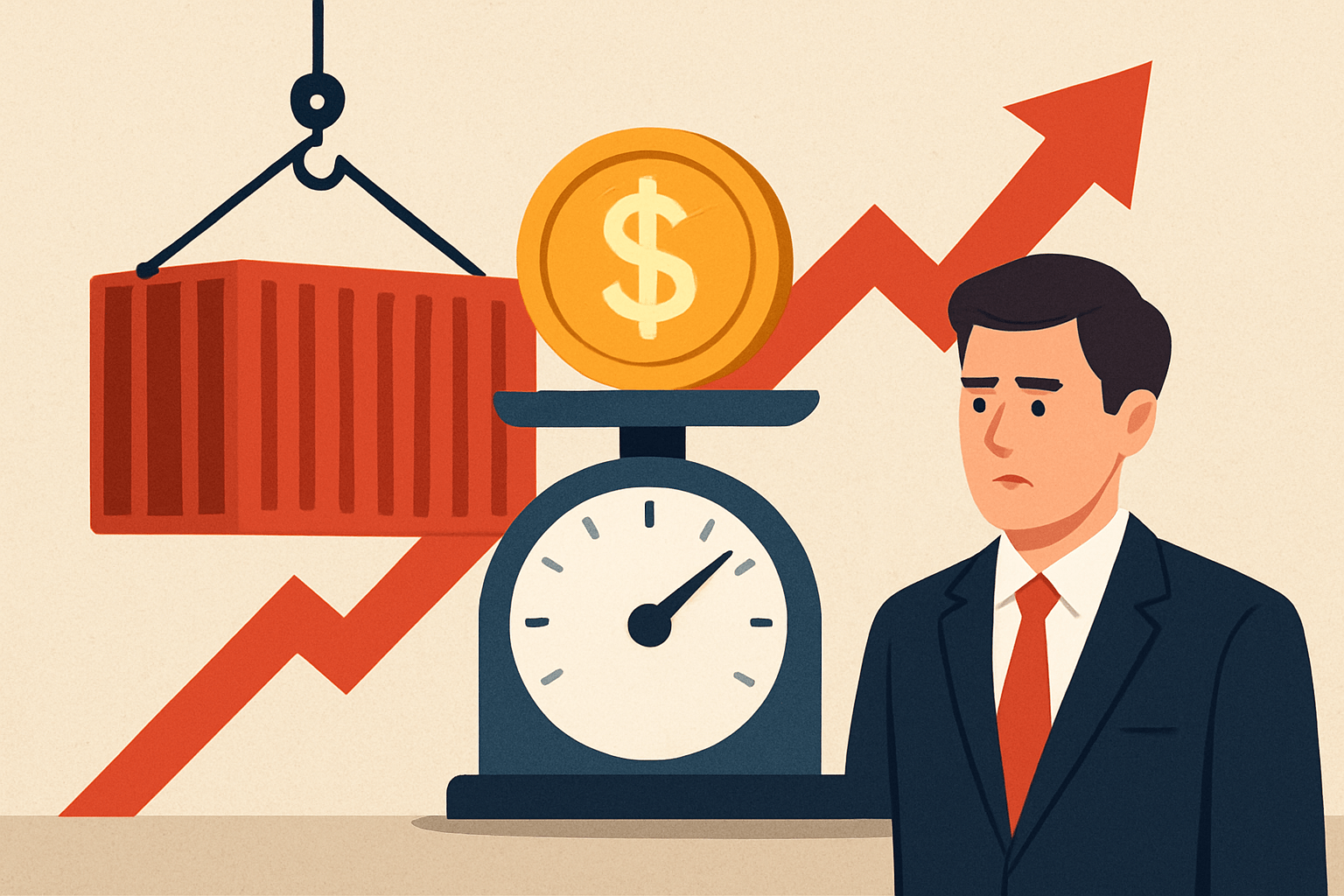
Okay, so Trump’s tariffs are probably the biggest reason prices are still climbing. Here’s how it works in simple terms:
Trump put a 10% tax on pretty much everything we import. Some countries got hit even harder – like 20-50% tariffs on their stuff. China is paying around 20% on average now.
Smart people who study this stuff found that these tariffs added about 0.7% to inflation. Without them, we’d be sitting at around 2.2% inflation instead of 2.9% back in August. That would’ve been pretty close to normal.
How Tariffs Actually Hit Your Wallet
Here’s the thing people don’t always get: tariffs aren’t paid by other countries. They’re paid by American companies when they bring stuff in. Then what happens? Those companies raise their prices to cover it. So you end up paying for it.
It goes like this:
- A company imports shoes from Vietnam
- They pay Trump’s tariff fee to the government
- They raise the price of those shoes in stores
- You pay more for shoes
- Everyone loses except the government collecting the tax
Experts figured out that these import taxes cost the average family about $1,200 extra per year. That’s real money.
What’s Getting Hit Hardest
Clothes are interesting because almost all of them come from countries with tariffs, but prices haven’t gone up much yet. Some stores are eating the cost for now, but that probably won’t last forever.
Furniture, cars, and electronics are definitely getting pricier from these tariffs. And the worst part? Trump keeps changing the rates randomly, sometimes going from 30% to over 100%, which makes it impossible for businesses to plan ahead.
Are Your Paychecks Keeping Up?
This is the big question, right? It doesn’t matter if inflation is 3% or 5% if your paycheck is growing faster than prices.
The good news: wages for most workers have actually gone up faster than inflation under Trump’s second term. Workers have gained about 1.8% in buying power after accounting for rising prices. That means you can afford slightly more than you could before.
Trump’s team says the average worker might make about $1,200 more in real income by the end of his first year. But here’s the catch – if these tariffs keep pushing prices up, those gains could disappear.
How Biden Compared
Under Biden, people lost about $2,900 in purchasing power because inflation was running so hot. Trump’s people bring this up constantly, saying “hey, at least things aren’t getting worse as fast.” Which is… I guess technically a win? But it doesn’t help much when you’re still struggling to pay for groceries.
The Federal Reserve Drama
The Federal Reserve (the people who control interest rates) are in a really tough spot right now. Jerome Powell, who runs the Fed, is trying to do his job while Trump is literally yelling at him to cut rates.
Trump wants the Fed to drop interest rates by a massive 3 percentage points. Powell’s been lowering them slowly – they’re between 3.75% and 4% now, down from where they were. But Powell says he’s not sure they’ll cut again in December.
Why This Matters to You
Lower interest rates should make it cheaper to buy a house or car. But if rates drop too fast while inflation is still above 3%, prices could start climbing even faster. It’s a balancing act.
The Fed is also worried about Trump’s tariffs causing another wave of price increases. They’re trying to figure out if this is a temporary problem or something that’ll stick around.
It’s Different Depending on Where You Live
Inflation isn’t the same everywhere. Some places are getting hit harder:
- Philadelphia area is dealing with 3.3% inflation
- Pennsylvania’s unemployment went from 3.6% to 4% in a year
- Other areas are doing better or worse
Housing Costs Still Hurting
Rent and mortgage payments are still going up, though not as fast as before. Mortgage rates averaged about 6.17% in late October. That’s down 12% from when Trump took office, but it’s still way higher than the 3-4% range people got used to a few years ago.
Buying a house is still really hard for most people right now.
Healthcare Getting More Expensive
Medical bills went up 3.4% over the last year. And if you buy your own health insurance? Get ready to cry. In Pennsylvania, people buying individual coverage saw their premiums jump 21.5% on average because some tax breaks expired.
What Trump Says vs. What’s Actually True
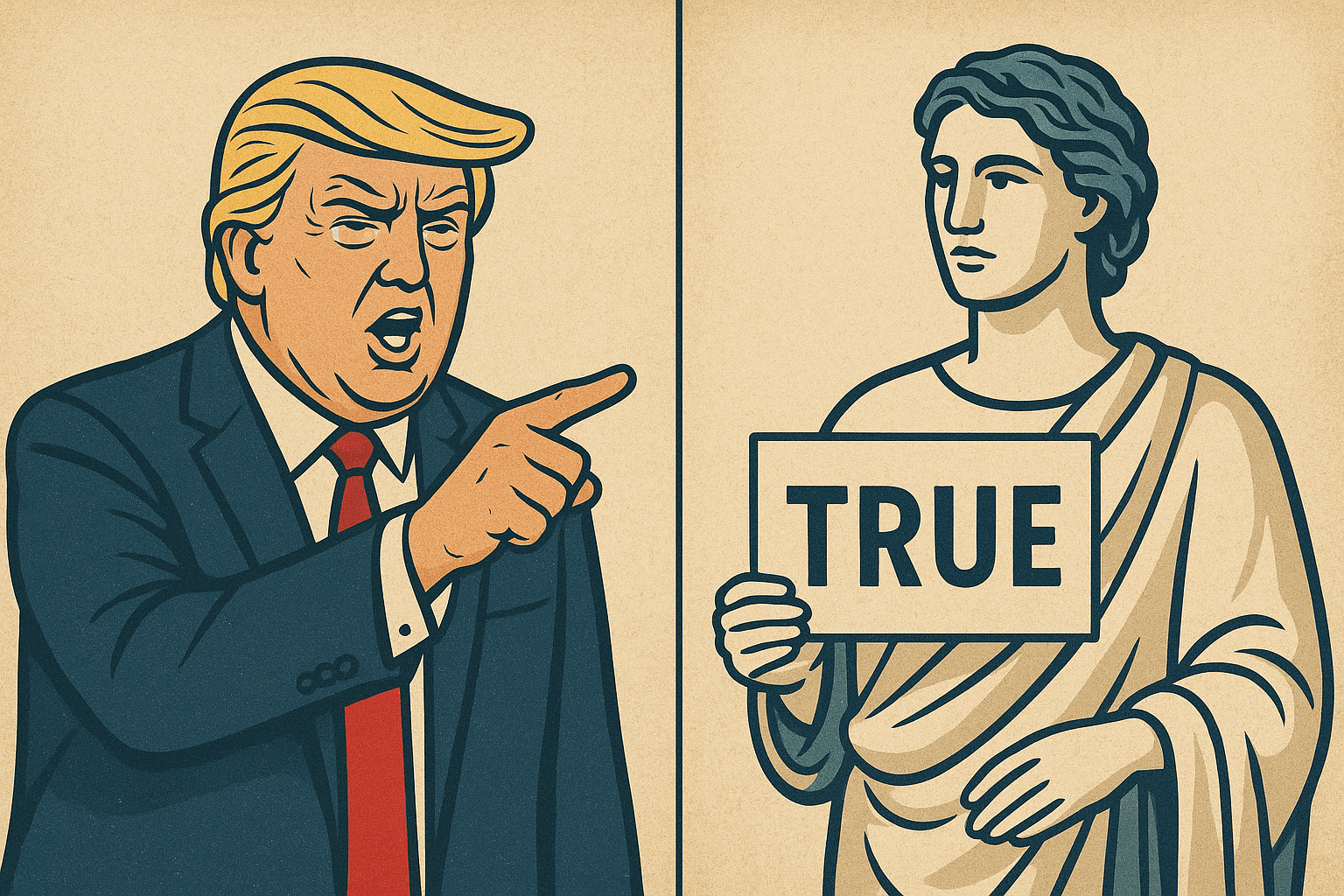
Trump makes a lot of claims about the economy. Let’s fact-check some of them:
Things He Says That Aren’t True:
- “Groceries are way down” – Nope, they’re up 1.4%
- “We have almost no inflation” – It’s at 3%, that’s not almost nothing
- “Inflation is down to 2%” – It’s 3%
- “Every price is down” – Most prices are up
Things He’s Actually Right About:
- Egg prices have come down from their peak
- Gas costs a bit less now
- Some prescription drugs are cheaper after negotiations
The “Affordability Hoax”
Trump called people’s worries about grocery costs a “hoax started by the Democrats.” But polls show more than half of Americans are really stressed about how much food costs. That’s not a hoax – that’s people’s lived reality.
Comparing Trump and Biden on Inflation
It’s not really fair to compare these two directly because they dealt with totally different situations.
Under Biden (2021-2024):
- Inflation averaged around 5% per year
- Hit 9.1% at its worst in June 2022
- But he was dealing with post-pandemic chaos, supply chain disasters, and a war in Ukraine
Under Trump’s Second Term (2025):
- Inflation is averaging about 2.7% so far
- Ranges from 2.4% to 3.0%
- But this is mostly self-inflicted from his tariff policies
Trump’s First Term (2017-2020):
- Inflation averaged 1.9% per year
- Pretty stable before COVID hit
The point is, comparing these periods is like comparing apples to oranges. Different problems, different causes.
Food Prices and Farming
Food costs are going up because of several Trump policies:
- Cracking down on immigration means fewer farm workers
- Tariffs on fertilizer make it more expensive to grow crops
- Tariffs on steel and aluminum make farm equipment pricier
- Transportation costs keep bouncing around
The Egg Price Story
Trump takes credit for egg prices falling, but that’s mostly because the bird flu season ended naturally. His administration’s disease prevention efforts might help in the future, but eggs got cheaper mainly because fewer chickens were getting sick.
Coffee and Other Imports
Coffee being 20% more expensive comes from a few things:
- Climate change hurting crops in Brazil and Vietnam
- Import tariffs on coffee beans
- Problems getting coffee out of producing countries
Same deal with bananas, chocolate, and other imported foods. It’s partly trade policy, partly global problems we can’t control.
Jobs and Manufacturing
Here’s a concerning trend: manufacturing jobs dropped by over 40,000 since April. Factories have been struggling for eight months straight.
Business owners are saying that even with tariffs making imports expensive, making stuff here in America still isn’t competitive. One factory owner said “the products we import just aren’t made in the U.S., so we can’t bring that work back here.”
Business Confidence Dropping
Business owners were really excited after Trump won, but that excitement has faded fast. Banks are predicting things will get worse through mid-2025 because:
- Nobody knows what tariff rate will stick
- Companies are putting off investments
- Rebuilding supply chains costs a ton
- People might start buying less stuff
What Economists Think Will Happen
Most people who study this stuff think inflation is going to stick around for a while:
- Deloitte thinks it’ll be 2.9% this year, then 3.2% next year
- The USDA says food prices will keep rising around 2.7-2.9%
- Some banks think we could see another 3-5% inflation over the next year and a half
Could We Hit a Recession?
The combo of high tariffs, business uncertainty, and people maybe spending less has some economists worried about a recession. JPMorgan cut their growth forecast from 2.1% to 1.4% for the fourth quarter.
But most experts think we’ll avoid a recession in the near future. People are still spending, and jobs are still available.
Trump’s Tariff Rollback
In mid-November, Trump backed down on some tariffs for things like coffee, beef, chocolate, and bananas because people were so mad about high food prices. But experts say it’ll take months before you see lower prices at the store because businesses already bought their inventory at the high prices.
How People Are Coping
Regular folks are dealing with persistent inflation by:
- Buying cheaper brands instead of name brands
- Simplifying meals to save money
- Stocking up when things go on sale (like when people heard about coffee tariffs)
- Skipping meals sometimes – which is heartbreaking but real for lower-income families
The Long-Term Damage
Years of high inflation mean many families are permanently worse off unless wages start growing way faster. Retirement savings took a hit. Younger people can’t afford to buy homes. It adds up.
What Experts Generally Agree On
Most economists, regardless of politics, agree that:
- Tariffs definitely add to inflation but aren’t the only cause
- Getting actual price deflation (where prices fall) is nearly impossible
- The Federal Reserve has legitimate reasons for being cautious
- Things like weather, disease, and worker shortages matter a lot
- Politicians on both sides oversimplify complicated economic stuff
Different Opinions
Some economists argue:
- Tariffs only hit specific products, not everything
- Eventually, making stuff in America might lower prices
- The Federal Reserve should’ve cut rates faster
- Wage growth justifies higher prices
Compared to Other Countries
American inflation on products has actually been lower than many other rich countries. Europe, Japan, and Canada have had similar or worse problems.
This tells us that some of what we’re dealing with isn’t just about Trump’s policies. It’s global stuff like:
- Energy market chaos
- Supply chains still recovering from COVID
- Climate problems hurting farms worldwide
The Political Side
Inflation worries helped Trump win in 2024, but now it’s becoming a problem for him. In November’s local elections, Republicans lost in places where people are really struggling with costs. That’s part of why Trump rolled back some tariffs.
Polls show:
- Less than a third of people think tariffs help the economy
- Nearly two-thirds worry about product shortages
- Only 47% say 2025 has been better than 2024
Messaging Problems
Trump’s team faces a tough challenge: how do you take credit for good things while blaming the last guy for bad things? That gets harder the longer you’re in office.
What Might Happen Next Year
Best Case Scenario:
- Tariffs get reduced or stay stable
- Supply chains fully recover
- The Fed handles inflation well
- Wages keep growing faster than prices
- People feel more confident about spending
Worst Case Scenario:
- Trade wars get worse
- We hit a recession
- Unemployment shoots up
- Inflation stays stuck above 3%
- Housing becomes even less affordable
Most Likely Scenario:
- Inflation slowly drops to around 2.5%
- Economy grows slowly but steadily
- Some tariff changes here and there
- Political fighting over Fed policy continues
- Different parts of the country have different experiences
Bottom Line
Inflation under Trump is complicated. Some things have gotten better, some haven’t. While certain policies have worked for specific problems, overall prices are still rising faster than the Fed wants.
The evidence is pretty clear that Trump’s tariffs have added to inflation – about 0.7% worth. But it’s not just that. Global farming problems, labor issues, and other factors all play a role in why stuff costs more.
For regular people, all the economic theory doesn’t matter much compared to the reality: grocery bills are still high, energy costs bounce around, and buying a house is still out of reach for many. Whether Trump’s economic plan will actually help American families in the long run is something we won’t know for years.
As we head into 2026 elections, the inflation debate is only going to get louder. The best thing you can do is stay informed, check the facts when politicians make claims, and understand that neither party has a magic solution to this problem.
Want to know more? Head over to ABC Magazine.
